
The Elements That Shape Wellbeing at Home
Updated: Mar 20
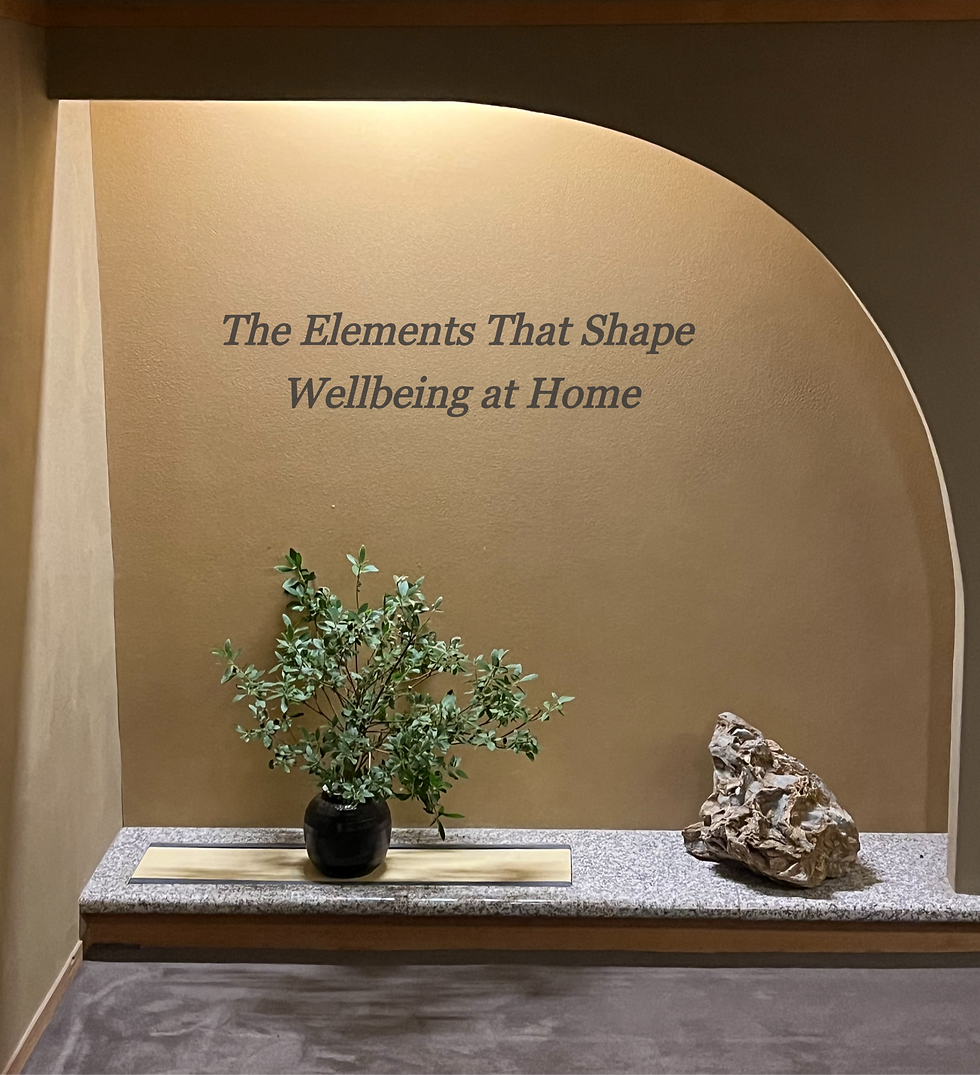
When thoughtfully designed, a home becomes more than a place to live. It becomes a foundation for how well you live.
We often think of wellbeing through the lens of what we eat, how we move, or the routines we build into our days. Yet one of the most influential forces in how we feel is much closer than we realize, the environment we live in each day.
At Designed for Wellness, in collaboration with Balanced Interiors, we believe that our external environment has the power to shape our internal one. A home has the ability to restore, nourish, ground and support us, or, when certain elements are overlooked, quietly work against us. When redesigning a home, it is easy to focus solely on what is visible, but beyond aesthetics, there are deeper layers that influence how a space feels and functions. Air quality, water, feng shui, lighting and sacred space all shape our physical, mental and emotional wellbeing in profound ways.
When these elements are out of harmony, the effects can be subtle yet significant. Disrupted sleep. Difficulty focusing. A sense of overstimulation. Feeling less at ease in your own space. Over time, these small signals can influence the rhythms of daily life more than we may realize.
This is why we take a more holistic approach. We consider your daily routines, your relationship with food, the materials that surround you and whether your environment is supporting the life you want to cultivate.
The elements that help shape wellbeing at home
In our Healthy Home Consultations and design work, we are guided by several foundational elements:
Indoor Air Quality
Water
Feng Shui
Lighting
Sacred Space
Together, these shape the atmosphere of a home and influence whether it feels serene and aligned with your wellbeing.
Indoor Air Quality
Air quality is one of the most important and often most overlooked aspects of a healthy home. From cleaning products and scented laundry detergents, to candles, air fresheners and personal care items, many everyday products introduce synthetic fragrance and volatile organic compounds into the home. These exposures may seem small in isolation, yet over time they become part of the invisible burden our bodies are asked to process each day.
Small shifts can make a meaningful difference. Replacing paraffin candles with high quality beeswax candles, removing synthetic air fresheners and opening the windows daily for cross ventilation are all simple places to begin. For many homes, investing in a high quality air purifier can further elevate the environment.
Water
So much of our exposure to unwanted chemicals happens not through one dramatic source, but through the repeated, everyday choices and systems we interact with. Depending on where you live, tap water may contain trace contaminants such as PFAS, pesticides, microplastics and other residues. While these issues are often out of sight, they deserve attention because water is woven into so many of our daily rituals, from drinking, to cooking to bathing.
A helpful place to begin is by looking into your local water quality through the Environmental Working Group’s Tap Water Database. From there, installing a high quality filtration system can be a powerful upgrade. A reverse osmosis filter was one of the first changes I made in my own home because it felt like such an essential, everyday step toward creating a healthier environment.
Feng Shui
Rooted in the balance of the five elements — wood, water, fire, metal, and earth, it considers how the arrangement, materials and flow of a space influence the way we feel within it.
The layout of furniture, the openness of a room and the textures of what surrounds you all contribute to the energy of how a home feels. Are your spaces arranged in a way that flows and allows you to move with ease? Are the materials in your home grounding and natural, such as linen, wool, wood, and stone, or are synthetic elements dominating the environment? Does the room feel soft and restorative, or visually heavy and overstimulating?
Color, too, has a powerful effect. It can influence mood, shape perception, and subtly affect the nervous system. The tones and materials we choose help create the emotional atmosphere of a room.
When approached thoughtfully, Feng Shui becomes less about rigid rules and more about cultivating harmony, intention, and a sense of ease within the home.
Lighting
Lighting has a profound effect on the nervous system and on the overall tone of a space. Harsh overhead lighting and cool fluorescent toned bulbs can feel jarring, especially in areas where we are meant to unwind. In contrast, softer, warmer lighting creates a more welcoming atmosphere and can support the body’s natural desire to slow down and settle.
Swapping cool toned bulbs for warmer ones, incorporating lamps throughout the home and using dimmers where possible, can soften the environment significantly. Candlelight, too, offers a beautiful way to create warmth and ritual in the evenings.
Lighting is often treated as a finishing detail, yet it is one of the most powerful tools we have in shaping the mood and energy of a home.
Sacred Space
Every home deserves a place that allows you to exhale. A sacred space does not need to be expansive, it does not require an entire room or a perfectly curated corner. More often, it is simply an intentional place that invites stillness, reflection and a return to yourself.
A chair placed near a window. A small table with a candle and a book. A quiet corner for prayer, stretching, or morning coffee. In homes that have had to become offices, gyms, gathering places, and places of refuge all at once, creating even a small dedicated area for pause can feel deeply supportive.
This pillar is about more than decluttering. It is about creating a sensory experience that encourages calm. It may include soft textures, grounding objects, natural scent, meaningful decor, or simply a clearer sense of spaciousness.
A sacred space reminds us that wellbeing is often cultivated through small moments of intention woven into everyday life.
A More Thoughtful Way of Living
When a home is designed in a way that supports the needs of you and your family, it becomes more than a beautiful space. It becomes an ally in your wellbeing. It supports better rest. Greater presence. More nourishing routines and rituals. It is not about perfection and it is not about creating a space that looks a certain way. It is about refining the environment around you so that it feels serene, aligned, and supportive of the life you want to live.
Be well,
Catherine xo
Disclaimer: The content on the Designed for Wellness blog is shared for educational and wellness coaching purposes only and reflects my personal thoughts and perspectives. It is not intended to diagnose, treat, or replace medical care or medical nutrition therapy.
Comments